
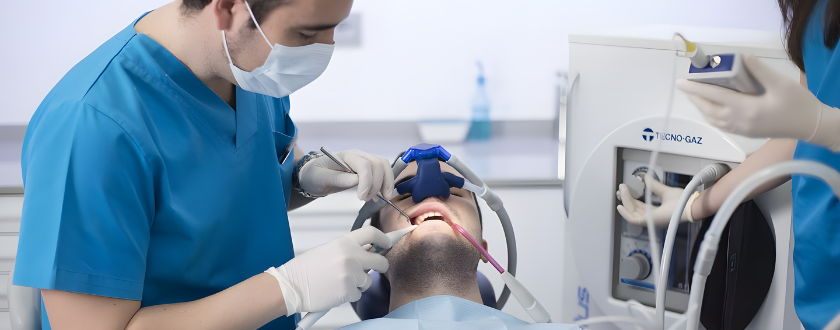
Conscious Sedation in Manapakkam for Comfortable Dental Care and Reduced Treatment Anxiety
What to Know If Fear or Anxiety Has Been Delaying Your Dental Treatment
Some people do not avoid dental treatment because of pain—they avoid it because of fear, past uncomfortable experiences, a sensitive gag reflex, fear of injections, or difficulty staying relaxed during longer procedures. At Boomi Quality Dentistry, anxiety-focused dental care is guided by Dr. Priscila Prince, a BDS, FAAD, MBA-qualified dentist with 9 years of clinical experience in advanced and patient-centered dental care. Many adults and parents exploring Conscious Sedation in Manapakkam usually want to know whether treatment can feel calmer, whether they stay awake, and if sedation is safe during dental procedures. A proper clinical evaluation helps determine the safest and most suitable sedation approach for each patient.
Dental Fear Can Affect Oral Health More Than Many People Realize
Some people postpone dental visits for months or even years because of anxiety. It may begin with fear of injections, drilling sounds, bad past experiences, or feeling uncomfortable in the dental chair.
Over time, delaying treatment may allow small dental problems to become deeper cavities, infections, gum disease, or broken teeth. Managing dental anxiety early often helps protect both oral health and emotional comfort.
Common Reasons People Delay Dental Treatment
- Fear of Dental Pain – Past experiences may affect confidence
- Fear of Injections – Needle anxiety may be present
- Sound Sensitivity – Dental sounds may feel stressful
- Strong Gag Reflex – Treatment may feel difficult
- Difficulty Staying Relaxed – Anxiety may increase during procedures
- Previous Dental Trauma – Past experiences may affect trust
Understanding What Conscious Sedation Actually Means
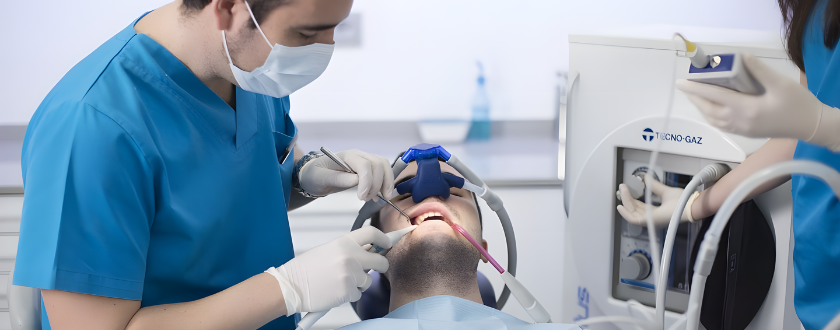
Conscious sedation is designed to help people feel calmer and more comfortable during dental treatment while remaining responsive. Unlike full anesthesia, the person usually stays awake but feels more relaxed throughout the procedure.
This approach is often considered for anxious adults, sensitive patients, longer procedures, or people who struggle to sit comfortably during treatment.
What Conscious Sedation Can Help With
- Reduced Anxiety – Helps create calmer treatment experiences
- Better Treatment Comfort – Helps reduce stress
- Improved Cooperation – Helps during longer procedures
- Sensitive Gag Reflex Support – Helps treatment comfort
- Fear Management – Helps anxious patients
- More Relaxed Dental Visits – Supports better treatment completion
Not Every Fear Looks the Same in the Dental Chair
Dental anxiety can affect people in different ways. Some feel nervous before entering the clinic. Some become tense when treatment starts. Others avoid treatment completely until pain becomes severe.
Understanding the cause of anxiety often helps create a more personalized and comfortable treatment plan.
Signs Dental Anxiety May Be Affecting Treatment
- Sweaty Hands – Stress response may begin early
- Fast Heartbeat – Anxiety may increase before treatment
- Difficulty Sitting Still – Stress may affect comfort
- Fear Before Appointments – Mental discomfort may build up
- Treatment Avoidance – Visits may keep getting postponed
- Strong Emotional Response – Dental fear may feel overwhelming
Sleep Dentistry Can Help Sensitive or Highly Anxious Patients
Some patients search for Sleep dentistry in Manapakkam because they want treatment to feel calmer and less emotionally stressed. Conscious sedation may help create a more relaxed experience during suitable dental procedures.
This can be helpful during extractions, root canal treatment, implant procedures, or longer restorative appointments when comfort becomes important.
Why Some People Consider Sedation Dentistry
- Long Dental Procedures – Helps comfort during treatment
- Severe Dental Fear – Helps reduce emotional stress
- Multiple Treatments in One Visit – Supports better cooperation
- Low Pain Tolerance – Helps comfort planning
- Sensitive Treatment Experience – Helps reduce stress
- Better Emotional Comfort – Helps complete care confidently
Laughing Gas and Gentle Sedation Options in Dentistry
Some dental sedation methods may include nitrous oxide, commonly known as laughing gas, depending on clinical suitability. It is designed to help people feel lighter, calmer, and more relaxed during treatment.
For adults comparing Painless dentistry in Manapakkam or looking for a Sedation dentist near me, understanding sedation options often helps reduce treatment fear before the procedure even begins.
Why Gentle Sedation Is Often Considered
- Fast Relaxation Support – Helps calm the mind
- Reduced Treatment Stress – Helps anxious patients
- Short Recovery Support – Suitable in selected cases
- Controlled Clinical Monitoring – Safety remains important
- Supports Treatment Completion – Helps reduce avoidance
- Comfort-Focused Care – Helps build trust
What Happens During a Conscious Sedation Appointment
Many people feel more comfortable when they understand what actually happens before sedation begins. The process usually starts with reviewing your medical history, treatment needs, anxiety triggers, and overall comfort level.
Once your dentist confirms that sedation is suitable, the relaxation method is planned based on your procedure and clinical condition. Throughout treatment, your comfort and response are continuously monitored.
Steps Usually Involved in Sedation Planning

- Medical History Review – Helps safe treatment planning
- Anxiety Assessment – Understands comfort concerns
- Treatment Planning – Matches sedation to procedure
- Sedation Preparation – Helps you feel ready
- Comfort Monitoring – Supports safe care
- Post-Treatment Review – Helps recovery planning
Conscious Sedation Does Not Mean Losing Awareness
One common misunderstanding is that sedation means being fully asleep. In conscious sedation, most people remain awake, aware, and able to respond, but they often feel calmer and less focused on the treatment around them.
This often helps people who feel anxious about dental sounds, instruments, or longer appointments.
What People Often Experience During Sedation
- Calmer Mental State – Helps reduce anxiety
- Better Chair Comfort – Helps during longer procedures
- Less Focus on Sounds – Helps reduce stress triggers
- Reduced Treatment Tension – Helps body relaxation
- More Controlled Breathing – Helps emotional comfort
- Improved Treatment Cooperation – Helps complete care
Some Dental Procedures May Feel Easier with Sedation Support
Not every dental procedure needs sedation. However, in certain situations, sedation may help make treatment feel more manageable, especially when multiple procedures or longer appointments are involved.
People exploring Conscious Sedation Dentistry in Manapakkam often ask whether sedation can help during more sensitive treatments.
Procedures Where Sedation May Be Considered
- Tooth Extractions – Helps anxious patients
- Root Canal Treatment – Helps reduce treatment stress
- Dental Implant Procedures – Helps longer appointments
- Multiple Restorations – Helps treatment comfort
- Deep Cleaning Procedures – Helps sensitive gums
- Complex Dental Visits – Helps reduce emotional stress
Sedation Can Also Help People with Strong Gag Reflex
Some people avoid dental treatment not because of pain, but because of a strong gag reflex. Even simple procedures like impressions, X-rays, or back tooth treatment may feel difficult.
In suitable cases, sedation support may help reduce this response and make treatment feel more manageable.
When Gag Reflex Support May Help
- Impression Difficulty – Back mouth sensitivity
- X-Ray Discomfort – Oral sensitivity may increase
- Back Tooth Procedures – Treatment feels difficult
- Tongue Movement Sensitivity – Reflex may trigger easily
- Instrument Awareness – Mouth becomes tense
- Longer Procedures – Comfort becomes important
Building Trust Again After a Difficult Dental Experience
Some people develop dental fear after one uncomfortable treatment experience in the past. That fear may continue for years and can make even routine dental visits feel stressful.
A calmer treatment approach often helps rebuild confidence and makes future dental care feel less overwhelming.
Signs Fear May Be Affecting Dental Visits
- Cancelled Appointments – Visits keep getting delayed
- Fear Before Entering the Clinic – Anxiety builds early
- Body Tension During Treatment – Stress affects comfort
- Difficulty Trusting Dental Care – Past experiences matter
- Avoiding Preventive Visits – Problems may grow silently
- Only Visiting During Pain – Emergency care becomes common
Not Everyone Needs Sedation for the Same Reason
Some people choose sedation because of severe dental anxiety. Others may need it because of sensitive teeth, difficulty sitting for longer procedures, strong gag reflex, or past medical experiences that made dental treatment stressful.
Understanding why comfort becomes difficult often helps create a more personalized treatment experience instead of using the same approach for everyone.
Reasons Sedation May Be Considered
- High Dental Anxiety – Fear affects treatment comfort
- Low Pain Tolerance – Sensitive treatment experience
- Difficulty Sitting for Long Appointments – Body discomfort may increase
- Strong Gag Reflex – Treatment may feel challenging
- Previous Dental Trauma – Past experiences affect confidence
- Multiple Treatments Planned – Longer visits may need better comfort support
Safety Monitoring Is an Important Part of Sedation Dentistry
One of the biggest concerns people have is safety. During conscious sedation, patient comfort is important—but monitoring is equally important.
Your dental team watches your response, breathing pattern, comfort level, and overall clinical stability throughout the procedure. This helps maintain a controlled and safer treatment environment.
What Is Usually Monitored During Sedation

- Breathing Comfort – Helps maintain steady relaxation
- Response Level – Helps ensure awareness remains stable
- Treatment Comfort – Helps reduce emotional stress
- Body Relaxation – Helps support smoother treatment
- Procedure Progress – Helps adjust comfort when needed
- Recovery Response – Helps safe post-treatment planning
Sedation Dentistry Can Help Children and Adults in Selected Cases
Some adults avoid treatment because of fear, while some children may struggle with treatment because of anxiety, movement, or unfamiliar clinical environments.
In selected cases, comfort-focused sedation planning may help make dental treatment easier for both age groups when clinical evaluation supports it.
When Sedation May Be Helpful Across Different Age Groups
- Children with Treatment Anxiety – Helps reduce fear
- Adults with Long-Term Dental Fear – Helps rebuild confidence
- Sensitive Oral Response – Helps reduce treatment discomfort
- Difficulty Staying Relaxed – Helps cooperation
- Longer Procedures – Helps maintain comfort
- Complex Treatment Needs – Helps smoother care
Recovery After Conscious Sedation Is Usually Gradual
After treatment, many people feel calmer and mentally lighter, but some may feel temporarily relaxed, slightly tired, or less alert for a short time depending on the sedation method used.
Following aftercare instructions often helps support a smoother recovery and more comfortable return to daily activities.
What Helps During Recovery
- Rest for a Short Time – Helps body recovery
- Drink Water When Advised – Supports comfort
- Avoid Important Decisions Immediately – Helps mental clarity
- Follow Post-Treatment Instructions – Supports safety
- Attend Review Visits If Needed – Helps follow-up care
- Report Unusual Symptoms Early – Helps timely support
Fear-Free Dental Care Can Improve Long-Term Oral Health
When fear keeps delaying treatment, small dental problems often become bigger and more expensive over time. Anxiety may start with one missed cleaning visit but later lead to emergency pain, infection, or tooth damage.
Managing dental fear early often helps people return to routine care with more confidence and better long-term oral health.
Long-Term Benefits of Anxiety-Friendly Dental Care
- Fewer Delayed Treatments – Problems are treated earlier
- Better Preventive Care – Routine visits become easier
- Improved Treatment Confidence – Trust grows over time
- Reduced Emergency Visits – Problems are managed early
- Better Oral Health Habits – Care becomes consistent
- Healthier Long-Term Outcomes – Prevention becomes easier
Some People Delay Dental Care for Years Because of Fear
Dental anxiety often grows quietly. It may begin with one uncomfortable experience, fear of injections, sensitivity to dental sounds, or simply not knowing what to expect during treatment. Over time, this fear may lead to delayed cleanings, untreated cavities, gum problems, or emergency pain.
Creating a calmer treatment experience often helps people return to regular dental care before small problems become deeper infections or more complex treatment needs.
How Anxiety Can Affect Long-Term Dental Health
- Delayed Checkups – Small issues may grow silently
- Emergency Visits Increase – Pain becomes the main reason for treatment
- Untreated Cavities – Damage may spread deeper
- Gum Health May Decline – Plaque stays longer
- Treatment Fear Becomes Stronger – Anxiety builds over time
- Oral Confidence May Reduce – Smiling and eating may feel stressful
Comfort-Focused Dentistry Can Change How People Experience Treatment
For many adults and children, the goal is not only completing treatment. The goal is feeling safe, calm, and emotionally comfortable throughout the process.
When fear is managed properly, people often feel more confident about returning for preventive care, follow-up visits, and future dental treatment without delay.
Benefits of a Calmer Dental Experience
- Better Emotional Comfort – Helps reduce fear
- Improved Treatment Cooperation – Helps smoother appointments
- Less Appointment Avoidance – Encourages regular care
- More Trust in Dental Treatment – Builds long-term confidence
- Improved Family Dental Care – Children may feel safer too
- Healthier Oral Care Routine – Prevention becomes easier
What Most People Want to Know Before Choosing Sedation Dentistry
Online searches for sedation care usually begin with real concerns, not technical dental terms. People often search for Conscious Sedation in Manapakkam, Sleep dentistry Manapakkam, Sedation dentist near me, Painless dentistry Manapakkam, or Dental anxiety treatment because they want emotional comfort before treatment—not just dental care.
Understanding safety, awareness, comfort, recovery, and treatment suitability often helps people make better decisions about anxiety-friendly dental care.
What People Usually Want Clarity About
- Will I stay awake during treatment – Conscious sedation usually keeps awareness
- Will I feel calmer – Relaxation support may help
- Is sedation safe – Clinical evaluation matters
- Can children use sedation – Suitability depends on evaluation
- Will recovery take long – Depends on sedation method
- Can fear-free treatment help future visits – Confidence often improves
Helping You Return to Dental Care with More Confidence
Fear should not be the reason dental problems keep getting delayed. Anxiety, gag reflex sensitivity, treatment stress, or past uncomfortable experiences can often be managed with the right comfort-focused dental approach.
At Boomi Quality Dentistry, people exploring Conscious Sedation in Manapakkam, Sleep Dentistry, or Dental Anxiety Treatment often begin with fear and leave with a clearer understanding of how dental treatment can feel calmer and more manageable.
Take the Next Step
If dental fear, treatment anxiety, gag reflex sensitivity, or previous uncomfortable dental experiences have been delaying your oral care, a personalized sedation consultation can help you understand the safest and most comfortable way to complete your treatment with greater confidence.
Frequently Asked Questions
Will I be fully asleep during conscious sedation?
No. Conscious sedation usually helps you stay relaxed and calmer while still remaining responsive during treatment.
Is conscious sedation safe for dental treatment?
Safety depends on your medical history, treatment needs, and clinical evaluation. Proper monitoring is an important part of sedation dentistry.
Can sedation help people with severe dental anxiety?
Yes. In selected cases, sedation may help reduce emotional stress and improve treatment comfort.
Can children receive sedation during dental treatment?
In suitable cases, sedation may be considered after proper clinical assessment and treatment planning.
Will I remember the treatment afterward?
The experience can vary depending on the sedation method used, your response, and the type of procedure performed.