

Root Canal Treatment in Manapakkam for Saving Infected Teeth and Relieving Deep Tooth Pain
What to Know Before Choosing Root Canal Treatment
If you are feeling deep tooth pain, sensitivity while eating, swelling near the gums, or discomfort while biting, the problem may be deeper than a regular cavity. In some cases, infection can reach the inner part of the tooth where the nerve and blood supply are present. At Boomi Quality Dentistry, root canal treatment is guided by Dr. Priscila Prince, a BDS, FAAD, MBA-qualified dentist with 9 years of clinical experience in advanced restorative and aesthetic dentistry. Many people exploring Root Canal Treatment in Manapakkam usually want clear answers about pain relief, treatment steps, recovery, and whether the tooth can still be saved. A proper dental evaluation helps answer these questions before treatment begins.
When Tooth Pain Starts Coming from Deep Inside the Tooth
Not all tooth pain begins on the surface. Sometimes the pain becomes sharper, deeper, or more uncomfortable because the infection has reached the inner part of the tooth. People may notice pain while chewing, sensitivity to hot or cold foods, or discomfort that starts without warning.
Ignoring this kind of pain for too long may allow the infection to spread deeper. Early treatment often helps preserve the natural tooth and avoid bigger complications later.
Common Signs a Tooth May Need Root Canal Treatment
- Deep Tooth Pain – Pain feels stronger from inside
- Hot and Cold Sensitivity – Discomfort lasts longer
- Pain While Biting– Pressure feels uncomfortable
- Swollen Gums– Gum area may feel tender
- Tooth Feels Different– Bite may feel uneven
- Night-Time Tooth Pain – Pain may disturb sleep
Understanding What Root Canal Treatment Actually Does
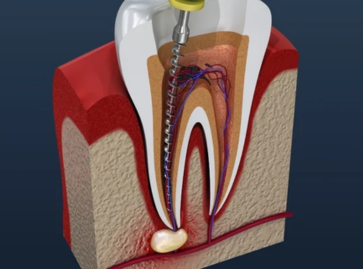
Root canal treatment is designed to remove infected tissue from inside the tooth, clean the internal canals, and seal the tooth to help prevent further infection.
The goal is not only pain relief. The treatment also helps preserve your natural tooth, restore daily chewing comfort, and avoid unnecessary extraction in many cases.
What Root Canal Treatment Can Help With
- Pain Relief - Helps reduce infection-related pain
- Infection Control- Removes damaged tissue
- Natural Tooth Preservation – Helps save the tooth
- Chewing Comfort – Restores daily function
- Gum Protection – Helps reduce deeper spread
- Long-Term Tooth Support – Helps maintain function
Your First Root Canal Consultation
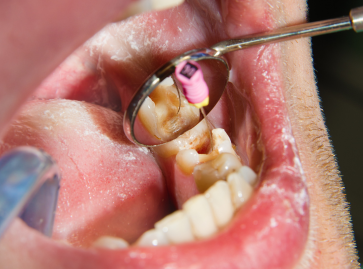
Before treatment begins, your dentist carefully checks the tooth, surrounding gums, bite pressure, and infection level. X-rays are usually used to understand how deep the infection has reached.
During dental consultations, one common concern is whether the tooth can still be saved or may need removal. A proper diagnosis helps answer this clearly.
What Happens During the First Visit
- Pain Assessment – Understands your symptoms
- Tooth Examination– Checks visible damage
- X-Ray Evaluation – Shows deeper infection
- Gum Health Review – Checks surrounding tissues
- Bite Pressure Check – Studies chewing discomfort
- Treatment Planning – Explains suitable care
Painless Root Canal Treatment with Modern Dental Techniques
One of the biggest fears people have is pain during root canal treatment. In reality, modern dental techniques, local anesthesia, and improved instruments often make the treatment much more comfortable than many people expect.
For many adults looking for a painless root canal in Manapakkam, understanding the process often reduces treatment anxiety.
What Helps Make Treatment More Comfortable
- Local Anesthesia – Helps numb the area
- Modern Instruments – Supports precise treatment
- Controlled Cleaning – Helps remove infection safely
- Bite Comfort Monitoring – Helps during treatment
- Step-by-Step Planning – Reduces uncertainty
- Post-Treatment Guidance – Supports recovery
When a Single Sitting Root Canal May Be Considered
Some teeth may be suitable for completing root canal treatment in a single sitting, depending on the level of infection, tooth condition, and clinical findings.
For adults comparing a single-sitting RCT in Manapakkam, understanding suitability is important because not every infected tooth requires the same treatment approach.
When Single Sitting Treatment May Be Considered
- Limited Infection Spread – Infection is manageable
- Strong Tooth Structure Brushing is not helping enough – Better support remains
- Controlled Pain Condition – Symptoms are manageable
- Good Gum Condition– Surrounding tissues are healthy
- Simple Root Anatomy – Easier canal access
- Clinical Suitability – Based on examination
What Happens During the Root Canal Procedure
Many people feel less anxious when they understand what actually happens during root canal treatment. The procedure usually begins by making the tooth comfortable with local anesthesia. Once the area is numb, the infected part inside the tooth is carefully accessed and cleaned.
After cleaning the inner canals, the space is shaped, disinfected, and sealed to help prevent future infection. The exact steps may vary depending on the number of roots, infection depth, and tooth condition.
Steps Usually Involved in Root Canal Treatment
- Tooth Numbing – Helps improve comfort
- Access Opening – Allows treatment inside the tooth
- Infection Removal – Removes damaged tissue
- Canal Cleaning – Helps remove bacteria
- Canal Shaping – Prepares internal space
- Canal Sealing – Helps protect the tooth
Single Sitting RCT and Multiple Sitting Treatment Understanding the Difference
Not every infected tooth needs the same treatment schedule. Some teeth may be suitable for Single sitting RCT in Manapakkam, while others may need multiple visits depending on infection severity, swelling, pain history, or root complexity.
The treatment approach is selected after a proper diagnosis, not based only on convenience. Choosing the right plan often improves long-term healing and treatment success.
| Treatment Type | Usually Considered For | Number of Visits | Planning Depends On |
|---|---|---|---|
| Single Sitting RCT | Controlled infection cases | One visit | Tooth condition |
| Multiple Sitting RCT | Deeper or complex infection | More than one visit | Healing response |
What Helps Decide the Treatment Type
- Infection Depth – Upper teeth overlap excessively
- Swelling Presence – Lower teeth move forward
- Root Complexity – Teeth do not align correctly
- Pain History– Front teeth do not touch
- Tooth Structure – Remaining support matters
- Healing Response – Follow-up may be needed
Why Some Root Canal Cases Need a Crown After Treatment
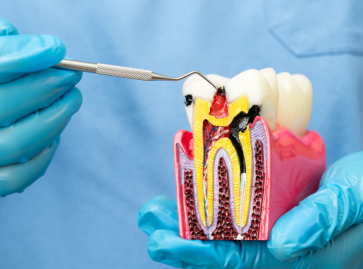
Once infection is removed, the tooth may feel better—but in many cases, the tooth structure may already be weaker because of decay, fracture, or previous fillings.
This is why crowns are often recommended after root canal treatment, especially in back teeth that handle stronger chewing pressure. Protecting the tooth early often helps reduce future fractures.
Why Crowns Are Often Recommended After RCT
- Tooth Strength Has Reduced – Structure may be weaker
- Chewing Pressure Protection – Supports daily function
- Prevents Cracking – Helps long-term support
- Restores Tooth Shape – Improves function
- Supports Bite Balance – Better chewing comfort
- Preserves Natural Tooth – Helps avoid extraction
Understanding Root Canal Cost Before Treatment
One of the most common questions during consultations is treatment cost. The cost of RCT in Manapakkam can vary depending on the tooth location, number of canals, infection depth, whether retreatment is needed, and if crown protection is planned later.
Understanding what affects treatment planning often helps people make better decisions instead of comparing cost alone.
Factors That Can Affect RCT Cost
- Front or Back Tooth – Root anatomy differs
- Number of Canals – – More canals need more care
- Infection Severity – Treatment complexity changes
- Previous Treatment History – Retreatment cases differ
- Need for Crown Protection – Restoration planning matters
- Clinical Time Needed – Case complexity varies
Not Every Tooth Pain Means Extraction Is Needed
Many people assume severe tooth pain means the tooth has to be removed. In reality, many infected teeth can still be saved if the root, bone support, and surrounding gums remain healthy.
This is why early diagnosis matters. Preserving your natural tooth often gives better long-term chewing support compared with removing it too early.
When Saving the Tooth May Still Be Possible
- Healthy Root Support – Root structure remains strong
- Bone Support Is Present– Surrounding support matters
- Infection Is Treatable – Cleaning can help
- Tooth Structure Can Be Restored – Crown may support it
- Pain is infection-related – Not always tooth loss
- Early Treatment Is Started – Better success chances
Some Tooth Infections Stay Silent Before Pain Starts
Not every infected tooth causes immediate pain. In some cases, the infection slowly develops inside the tooth while the person feels only mild sensitivity, occasional discomfort, or no symptoms at all in the beginning.
This is one reason routine dental checkups become important. A tooth may look normal from the outside while the infection is already affecting the inner pulp tissue. For many adults exploring Root Canal Treatment in Manapakkam, diagnosis often begins after an X-ray reveals a deeper issue.
Early Warning Signs People Often Ignore
- Mild Sensitivity – Hot or cold feels different
- Food Gets Stuck Often– Decay may be deeper
- Tooth Feels Heavy – Pressure feels unusual
- Occasional Pain – Comes and goes unexpectedly
- Dark Tooth Color – Internal damage may be present
- Gum Tenderness – Nearby tissues may feel sensitive
Root Canal Treatment for Front Teeth and Back Teeth Can Feel Different
Front teeth and back teeth do not always require the same treatment approach. Front teeth usually have simpler root anatomy, while back teeth may have multiple canals and handle stronger chewing pressure.
Because of this, treatment planning, clinical time, and restoration support may vary depending on which tooth is being treated.
What Changes Based on Tooth Position
- Front Teeth – Usually fewer canals
- Back Teeth – Often handle stronger bite pressure
- Canal Shape – Internal anatomy differs
- Treatment Time – Case complexity changes
- Restoration Needs – Crown support may differ
- Bite Pressure – Chewing force affects planning
When Previous Root Canal Treatment Needs Retreatment
Sometimes, a tooth that had root canal treatment in the past may begin causing discomfort again. This can happen if hidden canals were missed earlier, the seal breaks over time, or a new infection develops.
Retreatment helps re-clean the canals and improve the long-term health of the tooth when saving the tooth is still possible.
Signs a Tooth May Need Root Canal Retreatment
- Pain Returns Again – Old symptoms reappear
- Chewing Feels Uncomfortable– Bite pressure causes pain
- Swelling Near the Tooth – Infection may return
- Gum Tenderness – Surrounding tissues feel sensitive
- Old Crown Feels Different – Bite may feel uneven
- X-Ray Shows Changes – Infection may be visible
Recovery After Root Canal Treatment Is Usually Gradual
Most people return to normal daily activities soon after treatment, but mild pressure or chewing sensitivity may still be noticed for a short time while the tooth settles.
Following the aftercare instructions given by your dentist often helps the tooth recover more comfortably and supports long-term healing.
What Helps During Recovery
- Avoid Hard Chewing Initially – Helps protect the tooth
- Take Prescribed Care– Supports comfort
- Keep the Area Clean – Helps gum health
- Attend Follow-Up Visits – Attend Follow-Up Visits
- Report Unusual Pain – Early review matters
- Protect Temporary Restorations – Prevents damage
Daily Habits Can Affect Long-Term Root Canal Success
A root canal-treated tooth can function well for years, but long-term success also depends on how the tooth is protected afterward. Delaying crown placement, grinding habits, or ignoring follow-up visits may affect durability.
Protecting the tooth after treatment often becomes just as important as removing the infection itself.
Habits That Help Protect Root Canal-Treated Teeth
- Complete Final Restoration – Crown protection may help
- Avoid Hard Biting– Helps prevent cracks
- Brush Consistently – Supports gum health
- Attend Review Visits – Helps monitor healing
- Manage Grinding Habits – Helps reduce pressure
- Treat New Sensitivity Early – Prevents bigger problems
Questions People Usually Ask Before Starting Root Canal Treatment
Before starting treatment, most people do not ask only about the procedure. They usually want to know whether the treatment will be painful, how many visits may be needed, whether the tooth can really be saved, and how long the treated tooth may last.
These are practical concerns because root canal treatment is often chosen when pain, infection, or deep decay has already started affecting daily comfort. Getting clear answers early often helps people begin treatment with less fear and better confidence.
Common Questions Before Root Canal Treatment
- Will root canal treatment hurt – Modern techniques usually improve comfort
- Can the tooth still be saved– Diagnosis helps decide
- How many visits may be needed – Depends on infection and tooth condition
- Will I need a crown later – Many teeth may need protection
- Can infection come back – Long-term care matters
- How long will the treated tooth last – Protection and hygiene matter
Saving a Natural Tooth Often Supports Better Long-Term Oral Health
When a tooth becomes deeply infected, many people think removal is the only option. In reality, preserving the natural tooth is often possible when the roots, surrounding bone, and remaining tooth structure are healthy.
Saving your natural tooth may help maintain chewing balance, support neighboring teeth, and reduce the need for tooth replacement later.
Benefits of Saving the Natural Tooth
- Natural Bite Support – Helps balanced chewing
- Protects Nearby Teeth– Helps maintain alignment
- Protects Nearby Teeth – Helps maintain alignment
- Preserves Bone Support – Helps long-term oral health
- Avoids Early Tooth Loss – Keeps natural structure
- Supports Daily Comfort – Better long-term function
What Most People Want to Know Before Choosing Root Canal Treatment
Online searches for root canal care usually begin with real concerns, not technical dental terms. People often search for RCT cost in Manapakkam, Painless root canal Manapakkam, Single sitting RCT Manapakkam, Endodontist near me, or Best root canal specialist Manapakkam because they want clear and practical answers before treatment.
Understanding pain relief, tooth preservation, treatment comfort, and long-term protection usually helps people make better decisions about infected teeth.
What People Usually Want Clarity About
- Can deep pain be treated – Many infected teeth can improve
- Will treatment feel comfortable– Modern care helps
- Is single sitting treatment possible – Depends on the tooth
- Will I need a crown later – Tooth strength matters
- Can old RCT teeth be treated again – Retreatment may help
- How soon should treatment start – Early care often helps
Protecting Your Tooth Before Infection Becomes More Serious
Tooth infections often begin quietly and may become more painful only after the inner nerve tissue is affected. Starting treatment at the right time often helps preserve the natural tooth and prevent the infection from affecting deeper oral tissues.
At Boomi Quality Dentistry, people exploring Root Canal Treatment in Manapakkam, Painless RCT, or Single Sitting Root Canal Treatment often begin with pain or sensitivity and leave with a clearer understanding of how the tooth can be treated and protected.
Take the Next Step
If deep tooth pain, swelling, chewing discomfort, or long-lasting sensitivity has been affecting your daily comfort, a detailed root canal evaluation can help you understand whether the tooth can be saved and what treatment may be most suitable for long-term protection.
Frequently Asked Questions
Is root canal treatment painful?
Modern root canal treatment is usually planned with local anesthesia and advanced instruments to improve comfort during the procedure.
How much does root canal treatment cost in Manapakkam?
The cost usually depends on the tooth position, number of canals, infection depth, and whether crown protection is needed after treatment.
Can root canal treatment be completed in one sitting?
Some teeth may be suitable for single sitting treatment, but the final decision depends on infection severity, root anatomy, and clinical findings.
Will I need a crown after root canal treatment?
In many cases, especially for back teeth, crown protection is recommended because the tooth may become weaker after treatment.
How long can a root canal-treated tooth last?
With proper restoration, oral hygiene, and regular dental reviews, a root canal-treated tooth can function well for many years.