

Dental Restorations in Manapakkam for Repairing Damaged Teeth and Protecting Natural Tooth Structure
What to Know Before Choosing Dental Restoration Treatment
Small cavities, chipped teeth, worn edges, old, broken fillings, or early tooth damage may seem minor in the beginning. But if left untreated, these problems can slowly affect chewing comfort, tooth strength, and long-term oral health. At Boomi Quality Dentistry, restorative treatment is guided by Dr. Priscila Prince, a BDS, FAAD, MBA-qualified dentist with 9 years of clinical experience in restorative and aesthetic dentistry. Many people exploring Dental Restorations in Manapakkam usually want clear answers about tooth fillings, cavity treatment, natural appearance, comfort, and how long restorations may last. A proper dental evaluation helps choose the right restoration based on tooth damage, bite pressure, and long-term protection.
When Small Tooth Damage Starts Becoming a Bigger Problem
Not every dental problem starts with severe pain. Sometimes, a small cavity, minor crack, worn edge, or food getting stuck between teeth may be the first sign that a tooth needs attention.
If these early signs are ignored, the damage may slowly reach deeper layers of the tooth. Restoring the tooth early often helps preserve more natural tooth structure and may reduce the need for bigger treatment later.
Early Signs a Tooth May Need Restoration
- Food Gets Stuck Often: Tooth shape may have changed
- Sensitivity While Eating: Hot or cold feels different
- Small Visible Hole: Early decay may be present
- Rough Tooth Surface: Edges may feel uneven
- Old Filling Feels Different: Existing restoration may weaken
- Mild Chewing Discomfort: Pressure may feel different
Understanding What Dental Restorations Actually Do
Dental restorations are treatments used to repair damaged teeth, restore lost tooth structure, and improve daily function. Depending on the condition of the tooth, treatment may include fillings, bonding, onlays, or other restorative procedures.
The goal is not only to repair visible damage. Restorations also help protect the tooth from deeper decay, reduce sensitivity, and support natural chewing.
What Dental Restorations Can Help Improve
- Cavity Repair: Helps treat tooth decay
- Tooth Shape Restoration: Helps restore natural form
- Chewing Comfort: Supports balanced biting
- Tooth Strength: Helps preserve structure
- Sensitivity Relief: Helps reduce discomfort
- Long-Term Protection: Helps avoid deeper damage
Your First Restorative Consultation
Before treatment begins, your dentist carefully checks the tooth surface, bite pressure, gum condition, and how deep the damage has reached. X-rays may also be used when deeper decay is suspected.
During consultations, one common concern is whether the tooth needs a simple filling or a more protective restoration. A proper diagnosis helps answer this clearly.
What Happens During the First Visit
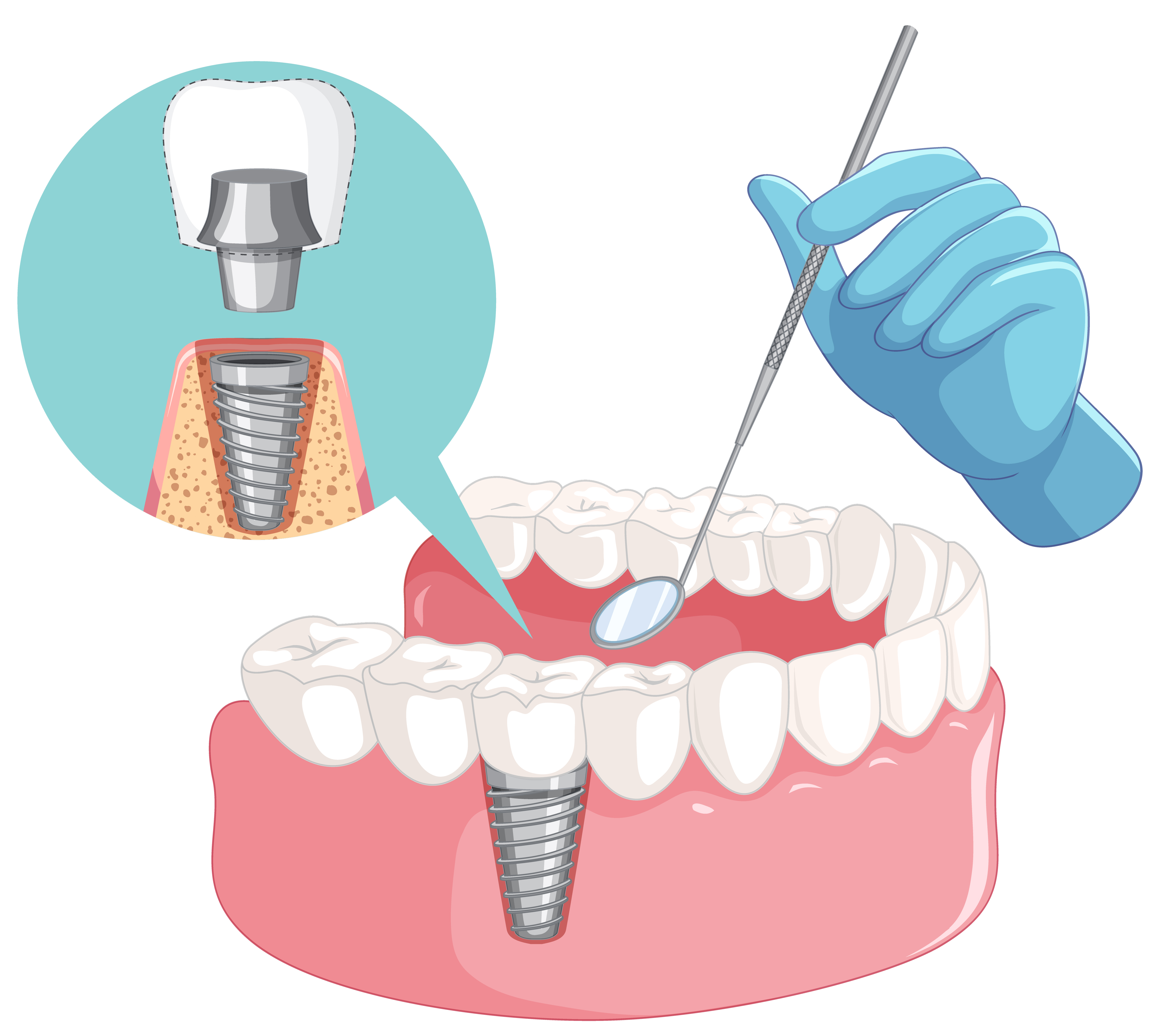
- Tooth Examination: Checks visible damage
- Decay Assessment: Understands cavity depth
- Bite Review: Checks chewing pressure
- Gum Health Check : Supports long-term care
- X-Ray Evaluation: Helps with deeper diagnosis
- Treatment Planning: Explains suitable options
Your First Teeth Whitening Consultation
Before whitening begins, your dentist carefully checks your tooth shade, enamel strength, gum condition, and the reason behind discoloration. This helps decide the safest and most suitable whitening option for your teeth.
Patients looking for Teeth Whitening in Manapakkam often feel more confident when they understand what is causing the staining before treatment begins.
What Happens During the First Consultation
- Tooth Shade Check : Reviews your current tooth color
- Stain Analysis: Identifies the cause of discoloration
- Gum Evaluation: Supports safe treatment planning
- Enamel Review: Helps protect natural teeth
- Cosmetic Goal Discussion: Understands your expectations
- Treatment Planning: Creates a personalized approach
Tooth-Colored Fillings for Natural Looking Restoration
Many people want damaged teeth to be repaired without making the treatment obvious. Tooth-colored fillings are designed to blend naturally with nearby teeth while restoring strength and function.
For many adults comparing Tooth-colored fillings in Manapakkam, this option is often preferred because it supports both appearance and everyday comfort.
Why Tooth-Colored Fillings Are Commonly Chosen
- Natural Color Matching: Blends with nearby teeth
- Less Visible Restoration: Supports cosmetic confidence
- Daily Chewing Support : Helps function naturally
- Metal-Free Option: Better cosmetic appeal
- Smooth Surface Finish: Comfortable in daily use
- Suitable for Front or Back Teeth: Based on need
Composite Fillings for Early and Moderate Tooth Repair
Composite fillings are commonly used to repair cavities, chipped teeth, worn surfaces, or small structural damage while preserving healthy tooth structure.
People comparing Composite filling cost in Manapakkam often choose this option because it helps repair teeth conservatively without removing unnecessary natural tooth structure.
Why Composite Fillings Are Often Preferred
- Conservative Tooth Repair: Preserves healthy structure
- Natural Appearance: Matches tooth color
- Supports Daily Function: Helps with chewing comfort
- Smooth Tooth Finish: Feels natural
- Strong Adhesion: Bonds with tooth surface
- Early Decay Treatment: Helps prevent more serious damage
What Happens During a Dental Filling Procedure
Many people feel more relaxed once they understand how restorative treatment is actually done. The procedure usually begins with checking the damaged area and making sure the tooth is comfortable before treatment starts.
Once the affected part is cleaned, the damaged tooth structure is carefully removed, and the restoration material is placed in layers to rebuild the tooth naturally. The final shape is adjusted so the tooth feels comfortable while biting and chewing.
Steps Usually Involved in Dental Filling Treatment
- Tooth Assessment: Checks the damaged area
- Comfort Preparation: Helps improve treatment comfort
- Decay Removal: Removes affected tooth structure
- Tooth Surface Preparation: Helps better bonding
- Restoration Placement : Rebuilds the tooth structure
- Bite Adjustment: Helps natural chewing comfort
Cavity Filling and Root Canal Treatment Are Not the Same
One common question during consultations is whether a cavity needs a simple filling or a deeper treatment like root canal care. The answer usually depends on how far the decay has reached inside the tooth.
If the damage is limited to the outer layers, a filling may be enough. If the infection reaches the inner nerve tissue, deeper treatment may be needed to save the tooth.
| Treatment Option | Usually Needed For | Tooth Condition | Main Goal |
|---|---|---|---|
| Dental Filling | Early or moderate decay | Outer tooth damage | Repair and protect |
| Root Canal Treatment | Deep infection | Inner pulp involvement | Remove infection and save tooth |
What Helps Decide the Right Treatment
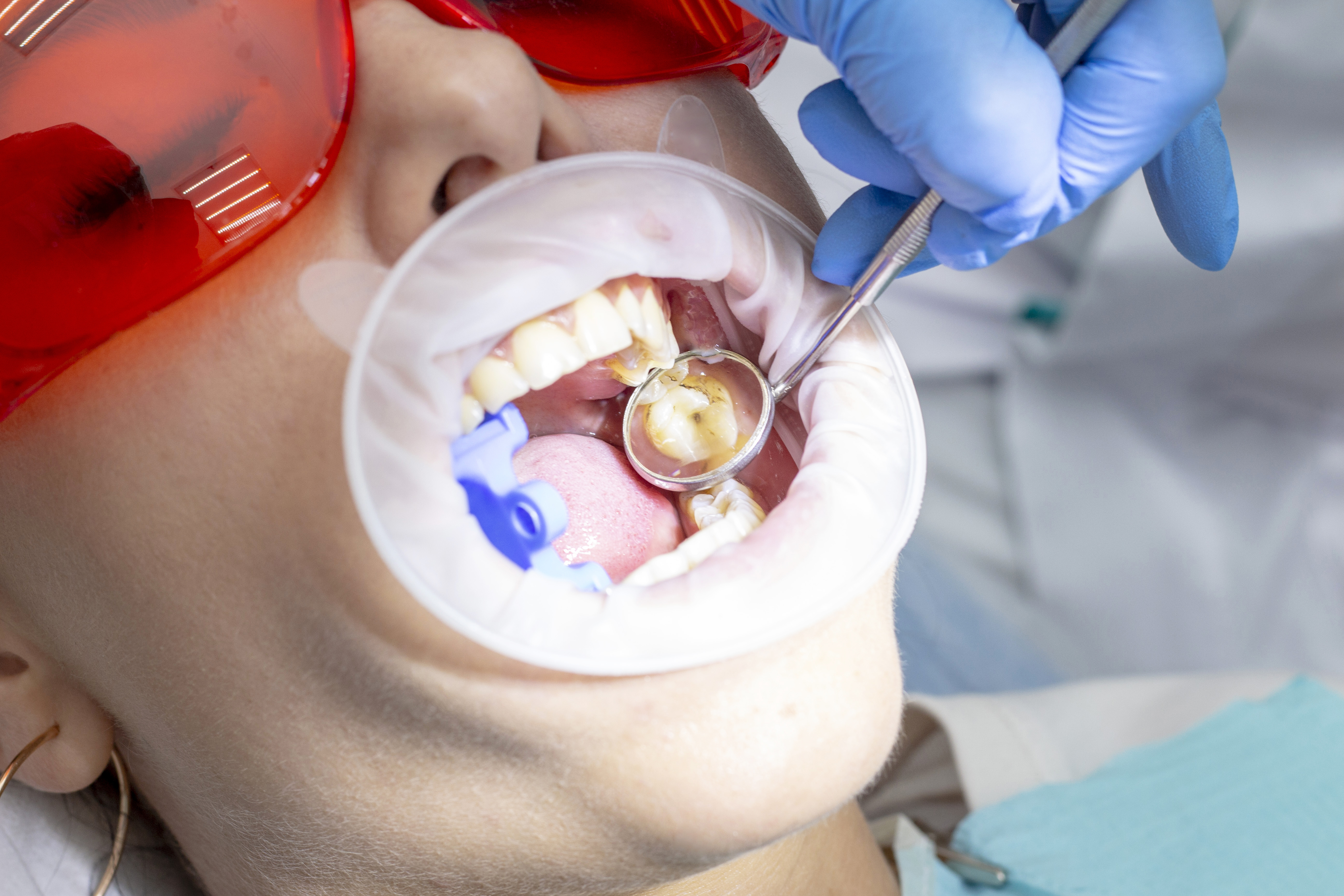
- Depth of Decay: Surface or deep infection
- Pain History: Symptoms guide diagnosis
- Tooth Sensitivity: Helps identify damage level
- X-Ray Findings: Shows deeper changes
- Tooth Strength: Remaining structure matters
- Clinical Examination: Supports treatment planning
When Old Fillings Start Losing Their Strength
Dental fillings do not always fail suddenly. Over time, old restorations may wear down, develop small gaps, or lose their original seal because of chewing pressure, grinding habits, or natural aging.
Replacing old fillings at the right time often helps prevent deeper decay, food trapping, or fracture of the remaining tooth structure.
Signs an Old Filling May Need Replacement
- Food Keeps Getting Stuck: Small gaps may develop
- Filling Feels Rough: Surface may wear dow
- Chewing Feels Different: Bite may change
- Tooth Becomes Sensitive Again: Internal leakage may happen
- Visible Filling Edges: Restoration may weaken
- Small Cracks Around Filling: Tooth needs evaluation
Understanding Tooth Filling Cost Before Treatment
One of the most common questions during restorative consultations is cost. The cost of Tooth filling in Manapakkam can vary depending on cavity size, tooth location, restoration material, and whether old fillings need replacement.
Understanding what affects treatment planning often helps people make better decisions instead of comparing price alone.
Factors That Can Affect Filling Cost
- Size of the Cavity: Larger damage needs more restoration
- Front or Back Tooth: Function and shape differ
- Material Choice : Composite and restorative materials vary
- Depth of Decay: More preparation may be needed
- Old Filling Replacement: Additional care may be needed
- Clinical Time Required: Case complexity matters
Not Every Tooth Hole Causes Immediate Pain
Many people wait for pain before visiting the dentist. But tooth decay can quietly progress without severe symptoms in the beginning. A small cavity may continue growing while the tooth still feels normal.
Treating the cavity early often helps preserve more natural tooth structure and may prevent deeper treatment later.
Early Benefits of Treating Cavities on Time
- Preserves Natural Tooth: Less structure is removed
- Reduces Infection Risk: Helps prevent deeper decay
- Supports Daily Comfort: Better chewing function
- Helps Avoid Root Canal: Early treatment matters
- Protects Tooth Strength: Prevents larger damage
- Supports Long-Term Oral Health: Better future stability
Some Tooth Damage Starts from Daily Habits and Not Only Cavities
Not every damaged tooth is caused by decay. In many cases, teeth slowly lose structure because of grinding, nail biting, chewing on hard objects, opening packets with teeth, or uneven bite pressure over time.
These habits may not cause pain in the beginning, but they can slowly wear down the enamel, create small chips, or weaken existing fillings. For many adults exploring Dental Restorations in Manapakkam, identifying the real cause helps protect the tooth more effectively.
Habits That May Affect Tooth Structure
- Night Grinding: Creates repeated pressure
- Chewing Hard Objects: May cause enamel damage
- Opening Objects with Teeth: Can cause chipping
- Uneven Bite Pressure Some teeth handle extra force
- Ignoring Small Cracks: Damage may spread slowly
- Old Restoration Wear: Existing fillings may weaken
Front Teeth and Back Teeth Often Need Different Restoration Planning
Restoring a front tooth is different from restoring a back tooth. Front teeth are more visible during speaking, smiling, and social interactions, while back teeth handle stronger chewing pressure every day.
Because of this, restoration material, tooth shape, strength, and surface finish are planned differently based on where the tooth is located.
What Changes Based on Tooth Position
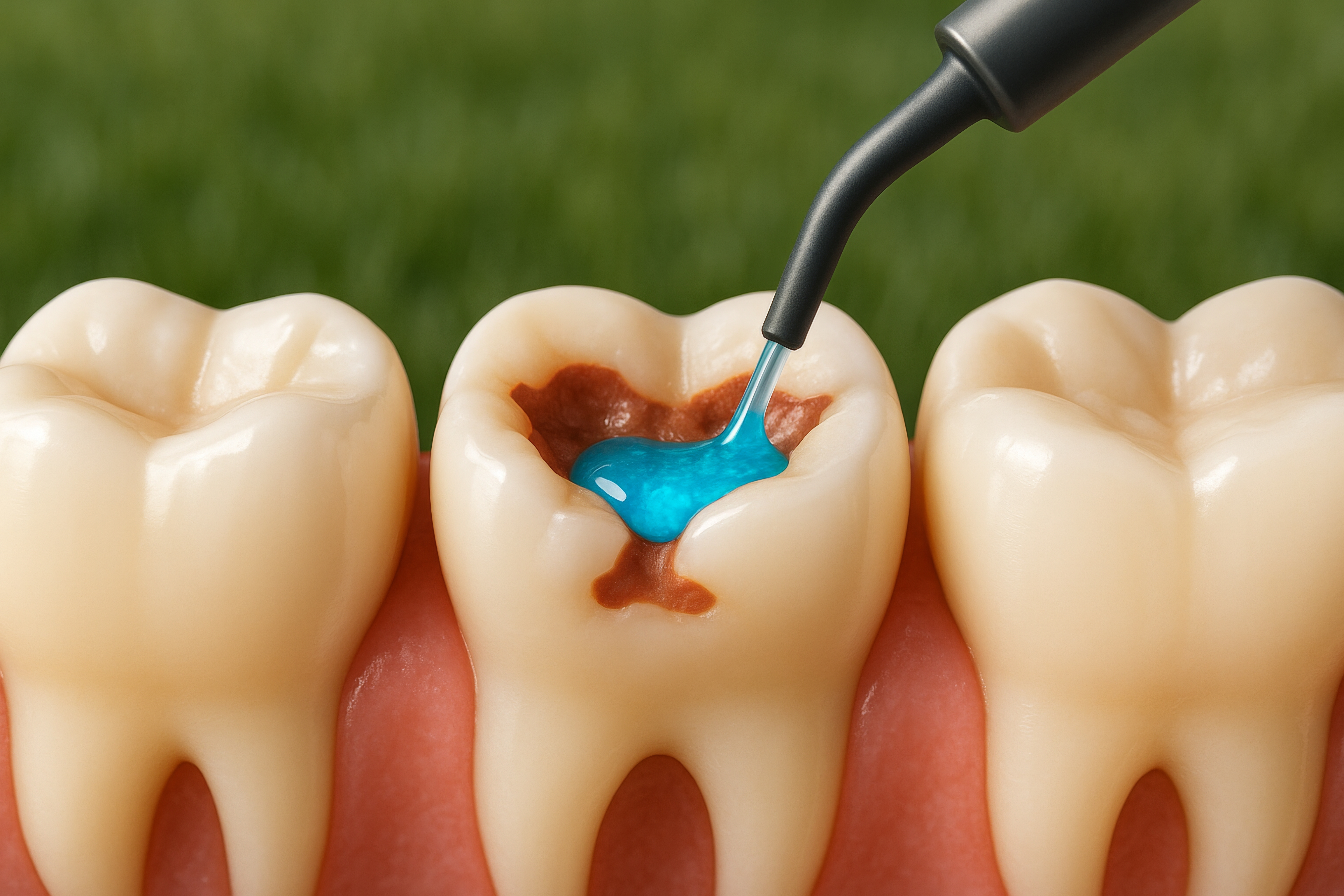
- Front Tooth Appearance: Color matching matters more
- Back Tooth Strength: Chewing support matters more
- Tooth Shape Design: Helps natural function
- Speech Support: Front teeth affect pronunciation
- Bite Pressure: Back teeth handle stronger force
- Cosmetic Balance: Visible areas need natural blending
Small Chips and Broken Tooth Edges Can Often Be Repaired
A small chipped tooth may happen during eating, sports, accidents, or grinding habits. In many cases, the damage may look small but still affect the tooth’s shape, comfort, or appearance.
Restorative treatment can often rebuild these areas while preserving healthy tooth structure. Early repair may also help prevent the chip from becoming larger over time.
When Minor Tooth Damage May Need Repair
- Visible Tooth Chip: Shape has changed
- Sharp Tooth Edge: Feels rough on the tongue
- Food Trapping Areas: Tooth contour has changed
- Sensitivity After Chipping: Enamel may be exposed
- Appearance Concerns: Front tooth looks uneven
- Bite Feels Different : Pressure may shift
Recovery After Dental Filling Is Usually Simple
Most people return to normal daily activities soon after restorative treatment. Some may notice mild sensitivity to cold foods, chewing pressure, or temperature changes for a short time while the tooth adjusts.
This usually improves as the tooth settles. Following the care instructions given by your dentist often helps support a smoother recovery.
What Helps During Recovery
- Avoid Very Hard Foods Initially: Helps protect the restoration
- Brush Gently Around the Tooth: Supports gum comfort
- Notice Bite Changes: Early adjustment may help
- Avoid Excess Pressure: Helps the tooth settle
- Drink Water Regularly: Supports oral freshness
- Report Lasting Sensitivity: Helps early review
Daily Care Can Help Restorations Last Longer
A restoration can support your tooth for years, but long-term success depends on oral hygiene, bite balance, and daily habits. Ignoring grinding habits or delaying checkups may affect the restoration over time.
Protecting restored teeth early often helps preserve both the restoration and the natural tooth underneath.
Habits That Help Protect Restored Teeth
- Brush Consistently: Helps reduce plaque buildup
- Use Gentle Chewing Habits: Helps avoid fractures
- Attend Dental Reviews : Helps early detection
- Manage Grinding If Present: Helps reduce pressure
- Treat Sensitivity Early: Helps prevent bigger issues
- Maintain Gum Health: Supports long-term stability
Questions People Usually Ask Before Choosing Dental Filling Treatment
Before starting restorative treatment, most people do not ask only about cavities. They usually want to know whether the filling will look natural, how long it may last, whether chewing will feel normal, and if treatment can be completed comfortably.
These are practical concerns because even a small cavity can affect daily comfort if left untreated. Understanding the condition of the tooth early often helps people make treatment decisions with better confidence.
Common Questions Before Dental Restoration
- Will the filling match my tooth color: Material selection matters
- Will chewing feel normal again: Bite adjustment supports comfort
- How long can a filling last : Daily habits affect durability
- Can old fillings be replaced: Many restorations can be renewed
- Will treatment feel comfortable: Modern techniques support comfort
- Can cavities come back: Oral hygiene matters long term
Restoring a Tooth Early Often Helps Preserve More Natural Structure
A small cavity or chipped tooth may not always cause immediate pain. In many cases, the damage slowly grows deeper while the tooth still feels normal during daily use.
Treating the tooth at the right time often helps preserve healthy tooth structure, supports natural chewing, and may reduce the need for more complex treatment later.
Benefits of Early Tooth Restoration
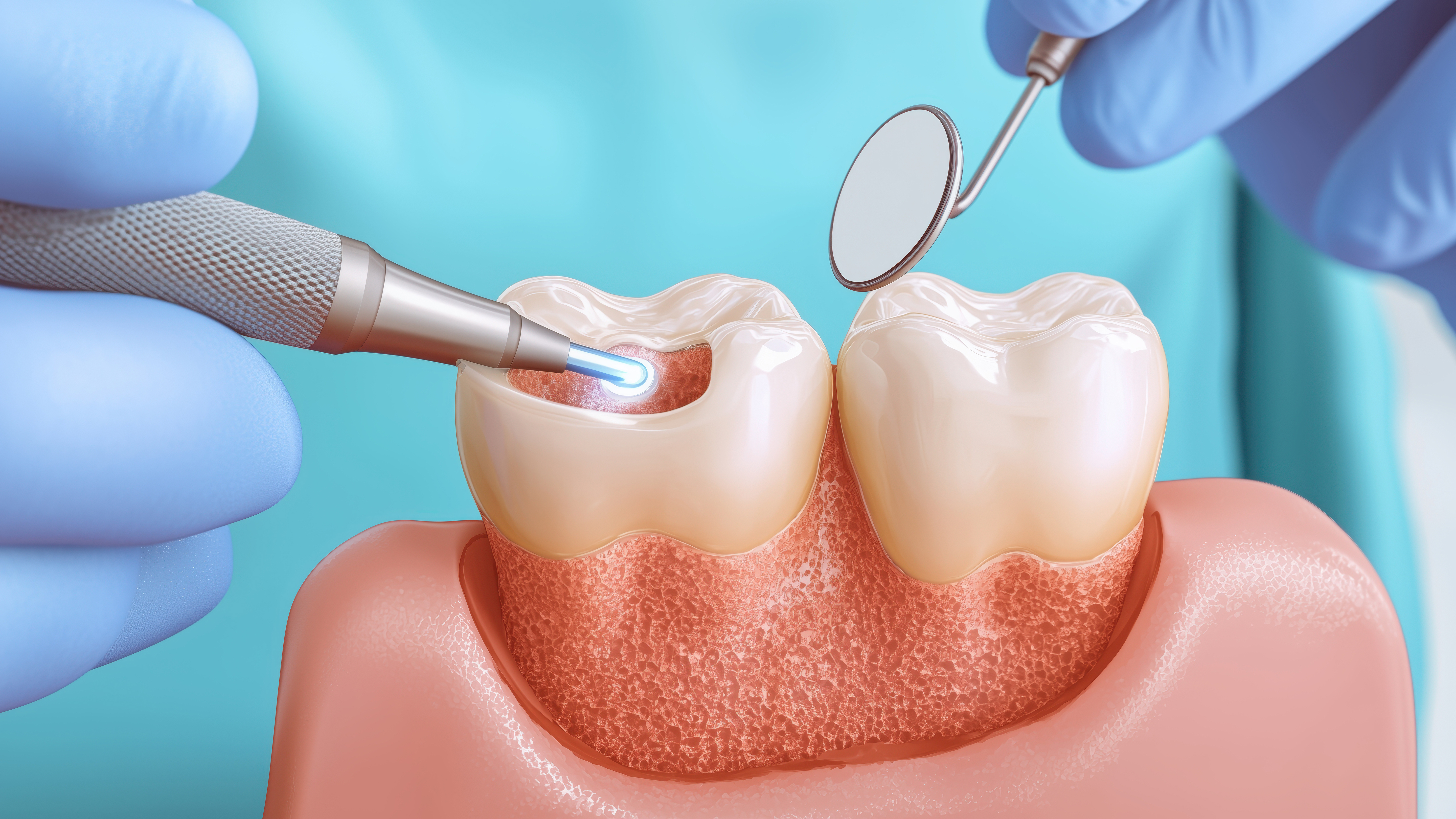
- Preserves Healthy Tooth Structure: Less removal is needed
- Helps Prevent Deep Decay: Early care matters
- Supports Better Chewing: Improves daily comfort
- Reduces Risk of Infection: Helps protect inner tooth layers
- Protects Existing Fillings: Helps long-term stability
- Supports Future Oral Health: Better long-term care
What Most People Want to Know Before Treating Cavities or Tooth Damage
Online searches for restorative treatment usually begin with real concerns, not technical dental terms. People often search for Tooth filling in Manapakkam, Cavity filling near me, Tooth-colored filling Manapakkam, Composite filling cost in Manapakkam, or Best filling clinic in Manapakkam because they want clear answers before starting treatment.
Understanding tooth preservation, natural appearance, treatment comfort, and long-term durability often helps people make better decisions about restoring damaged teeth.
What People Usually Want Clarity About
- Can small cavities be treated early: Early care often helps
- Will the filling be visible: Tooth-colored options are available
- Can chipped teeth be repaired: Many cases can improve
- Will sensitivity improve: Depends on the tooth condition
- Can old fillings be changed: Replacement may be possible
- How soon should treatment start: Early care protects the tooth
Protecting Natural Teeth Before Small Damage Becomes Bigger
Tooth decay, worn edges, chipped surfaces, or old filling damage may seem minor in the beginning, but small changes can slowly affect tooth strength, chewing comfort, and long-term oral health if left untreated.
At Boomi Quality Dentistry, people exploring Dental Restorations in Manapakkam, Tooth Fillings, or Tooth-Colored Fillings often begin with small concerns and leave with a clearer understanding of how their tooth can be repaired and protected.
Take the Next Step
If sensitivity, cavities, chipped teeth, food trapping, or old filling discomfort has been affecting your daily comfort, a detailed restorative dental evaluation can help you understand the most suitable way to repair and protect your natural teeth.
Frequently Asked Questions
How long does a tooth filling usually last?
A filling can support daily chewing for years. Its longevity depends on the filling material, bite pressure, oral hygiene, and daily habits.
Are tooth-colored fillings strong enough for back teeth?
Yes. In many cases, composite restorations are commonly used in back teeth depending on cavity size, bite force, and tooth condition.
Can old dental fillings be replaced?
Yes. If an old filling becomes loose, worn, cracked, or starts causing sensitivity, replacement may be recommended after evaluation.
Does cavity filling treatment hurt?
Modern filling treatment is usually planned with patient comfort in mind. Most people tolerate the procedure comfortably.
When should a cavity be treated?
Treating a cavity early often helps preserve more natural tooth structure and may reduce the chance of needing deeper treatment later.