
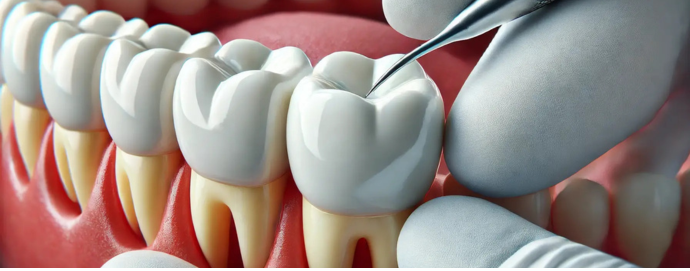
Dental Crowns in Manapakkam for Stronger Protection and Better Natural Look
What to Know Before Choosing Dental Crown Treatment
If a tooth feels weak, cracked, heavily filled, worn down, or has lost its original strength, a dental crown may help protect it and restore normal function. At Boomi Quality Dentistry, crown treatment is guided by Dr. Elakkiya, a BDS-qualified dentist with clinical experience in restorative and cosmetic dentistry. Many people exploring Dental Crowns in Manapakkam usually want clear answers about durability, appearance, crown materials, comfort, and how long a crown may last. A proper dental evaluation helps choose the right crown based on tooth condition, bite pressure, and long-term function.
When a Tooth Needs More Than a Filling
Sometimes a tooth becomes too weak for a regular filling. This may happen after deep decay, a large old filling, a crack, root canal treatment, or years of chewing pressure.
When the natural tooth structure becomes weaker, protecting it early often helps prevent bigger problems later. Many families in Manapakkam consider crown treatment when they want to save a tooth instead of losing more tooth structure over time.
Signs a Tooth May Need Crown Protection
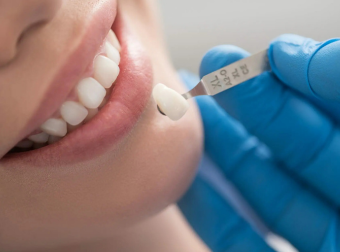
- Large Old Filling - Tooth has reduced strength
- Cracked Tooth Surface - Tooth feels weak during chewing
- Root Canal Treated Tooth - Needs added protection
- Worn Tooth Edges - Tooth structure has reduced
- Repeated Filling Failure - Filling keeps breaking
- Chewing Discomfort - Pressure feels uneven
Understanding What a Dental Crown Actually Does
A dental crown is a custom-made protective cap placed over a damaged or weakened tooth. It helps restore the tooth's shape, strength, and function while supporting natural chewing.
Unlike temporary repairs, crowns are designed to protect the remaining tooth structure for long-term use. Many people exploring Dental Crowns in Manapakkam often choose crowns when they want both protection and a natural appearance.
What a Dental Crown Can Help Restore
- Tooth Strength - Supports weak teeth
- Chewing Function - Helps balanced biting
- Tooth Shape - Restores natural structure
- Tooth Protection - Covers damaged surfaces
- Long-Term Support - Helps reduce further damage
- Natural Appearance - Blends with nearby teeth
Your First Crown Consultation
Before a crown is planned, your dentist carefully checks the tooth structure, gum condition, bite pressure, and how much healthy tooth remains.
During consultations, one common concern is whether the tooth can still be saved or may need extraction. A proper diagnosis helps answer this clearly before treatment begins.
What Happens During the First Visit
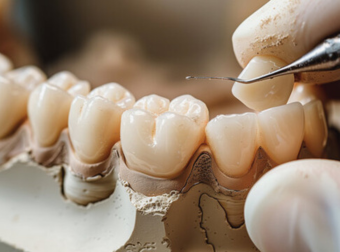
- Tooth Structure Review - Checks remaining tooth support
- Bite Pressure Analysis - Studies chewing force
- Gum Health Check - Supports long-term success
- X-Ray Evaluation - Helps deeper assessment
- Treatment Planning - Chooses suitable crown type
- Material Discussion - Explains available options
Zirconia Crowns for Strength and Natural Appearance
Zirconia crowns are often chosen when both strength and appearance matter. They are known for durability and are commonly used for back teeth, front teeth, and long-term restorative cases.
For many adults comparing Zirconia crown in Manapakkam, this option is often preferred because it combines function, aesthetics, and long-term support.
Why Zirconia Crowns Are Often Chosen
- Strong Material - Supports daily chewing pressure
- Natural Tooth Shade - Blends with nearby teeth
- Long-Term Durability - Suitable for regular use
- Metal-Free Option - Cosmetic and restorative support
- Smooth Surface - Comfortable in daily use
- Suitable for Different Teeth - Front or back tooth use
Ceramic Crowns for Visible Front Tooth Restoration
When appearance matters more, especially in visible areas, ceramic crowns are often considered. They are designed to closely match natural tooth color, light reflection, and surface texture.
Adults comparing Ceramic crown cost in Manapakkam often consider this option when restoring front teeth or improving cosmetic appearance.
Why Ceramic Crowns Are Commonly Preferred
- Natural Color Matching - Blends with your teeth
- Front Tooth Aesthetics - Helps visible smile zones
- Metal-Free Appearance - Cosmetic confidence
- Surface Texture Matching - Looks more natural
- Daily Speaking Comfort - Supports natural function
- Cosmetic Restoration - Helps balance appearance
What Happens During the Dental Crown Procedure
Many people feel comfortable once they understand how crown treatment is actually done. The procedure usually begins with examining the tooth, preparing the damaged area, and creating a precise shape so the crown fits naturally.
After the tooth is prepared, impressions or digital scans are taken to create a crown that matches your bite, tooth shape, and nearby teeth. Temporary protection may be used until the final crown is ready.
Steps Usually Involved in Crown Treatment
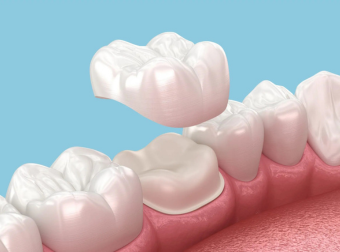
- Tooth Examination - Checks the condition of the tooth
- Tooth Preparation - Creates space for crown placement
- Digital Scan or Impression - Records tooth shape
- Shade Selection - Matches nearby teeth naturally
- Temporary Protection - Supports the tooth if needed
- Final Crown Placement - Restores function and comfort
Crown Treatment After Root Canal Therapy
Teeth that have undergone root canal treatment often lose some natural strength over time. Even though pain may be removed, the tooth can become more brittle and may need extra support during chewing.
This is why crowns are commonly recommended after root canal treatment in many cases. A crown helps protect the treated tooth and supports long-term function.
Why Root Canal Teeth Often Need Crowns
- Reduced Tooth Strength - Tooth becomes weaker
- Chewing Pressure Protection - Supports daily function
- Prevents Tooth Fracture - Helps avoid cracking
- Restores Tooth Shape - Improves function
- Long-Term Support - Helps preserve the tooth
- Better Bite Balance - Supports natural chewing
Dental Crown or Filling: Understanding the Difference
One common question during restorative treatment is whether a filling is enough or if a crown is needed. The answer usually depends on how much natural tooth structure remains.
A filling repairs smaller damaged areas, while a crown covers and protects the entire visible tooth when strength becomes a bigger concern.
| Treatment Option | Best Used For | Tooth Coverage | Long-Term Protection |
|---|---|---|---|
| Filling | Small decay or minor damage | Partial | Moderate |
| Dental Crown | Weak, cracked, or heavily restored tooth | Full | High |
What Helps Decide Between a Crown and a Filling
- Amount of Tooth Damage - More loss may need a crown
- Tooth Strength - Weak teeth need better support
- Bite Pressure - Heavy chewing affects treatment choice
- Old Filling Size - Large fillings reduce support
- Tooth Location - Front and back teeth differ
- Long-Term Goals - Protection matters over time
How Crown Material Is Chosen for Each Tooth
Not every crown material suits every tooth. Front teeth often need better color matching, while back teeth may need stronger chewing support. The material is selected based on appearance, bite force, and the location of the tooth.
People comparing tooth cap prices in Manapakkam often discover that material choice plays a major role in treatment planning.
Factors That Help Choose Crown Material
- Tooth Position - Front or back tooth needs differ
- Chewing Force - Bite pressure matters
- Color Matching - Cosmetic zones need better blending
- Gum Line Visibility - Appearance planning matters
- Tooth Structure - Remaining support affects choice
- Long-Term Usage - Daily wear matters
Why Bite Balance Matters After Crown Placement
A crown may look natural, but comfort depends on how well it fits your bite. If a crown feels too high or uneven, chewing may feel uncomfortable.
This is why bite adjustment is an important part of crown treatment. Proper bite balance helps the crown feel natural during eating, speaking, and daily use.
What Is Checked Before Final Crown Placement
- Bite Contact - Checks chewing pressure
- Tooth Height - Crown should feel natural
- Side Movements - Supports jaw comfort
- Chewing Comfort - Helps daily function
- Crown Fit - Supports long-term stability
- Patient Comfort Review - Final adjustments if needed
Some Teeth Break Slowly Before People Notice It
Not every damaged tooth breaks suddenly. In many cases, a tooth slowly becomes weaker over time because of repeated chewing pressure, old fillings, grinding habits, or untreated cracks. At first, people may only notice slight sensitivity or discomfort while chewing.
As the tooth structure becomes weaker, the risk of a bigger crack or fracture may increase. This is one reason many adults exploring Dental Crowns in Manapakkam choose early restorative care instead of waiting for the tooth to break further.
Early Signs a Tooth May Be Losing Strength
- Pain While Chewing - Pressure feels uncomfortable
- Tooth Feels Sensitive - Hot or cold feels different
- Old Filling Feels Loose - Existing restoration weakens
- Sharp Edge Appears - Small crack may be present
- Food Gets Stuck Often - Tooth shape may change
- One Side Feels Different - Bite feels uneven
Front Teeth and Back Teeth Often Need Different Crown Planning
Restoring a front tooth is different from restoring a back tooth. Front teeth are usually more visible while speaking, smiling, and taking photos. Back teeth handle stronger chewing pressure every day.
Because of this, crown planning often changes based on the tooth location. Material selection, shape design, bite balance, and color matching are carefully considered before treatment begins.
What Changes Based on Tooth Position
- Front Tooth Appearance - Natural color matching matters
- Back Tooth Strength - Bite support matters more
- Tooth Shape Design - Helps natural function
- Speech Support - Front teeth affect pronunciation
- Chewing Pressure - Back teeth handle more force
- Gum Line Visibility - Cosmetic planning matters
Some Crown Cases Need Core Build-Up Before Final Placement
In some cases, the natural tooth may have lost too much structure because of decay, fracture, or old dental work. When this happens, the tooth may need additional support before the crown is placed.
A core build-up helps create a stronger foundation so the final crown can fit securely and function comfortably over time.
When Additional Tooth Support May Be Needed
- Large Tooth Loss - Too much structure is missing
- Old Filling Failure - Tooth support has reduced
- Post Root Canal Cases - Extra reinforcement may help
- Deep Decay Removal - Tooth needs rebuilding
- Cracked Tooth Cases - Structure needs support
- Long-Term Stability Planning - Better foundation matters
Daily Habits Can Affect How Long a Crown Lasts
A well-made crown can support daily chewing and speaking comfortably, but long-term durability also depends on personal habits. Grinding, chewing ice, opening objects with teeth, or poor oral hygiene may affect crown longevity.
This is why maintenance matters just as much as treatment quality. Many adults looking for Dental cap near me in Manapakkam often ask how long a crown may last, and daily habits usually play a big role.
Habits That Help Protect Crowns
- Regular Brushing - Supports gum and tooth health
- Avoid Hard Biting - Helps protect crown edges
- Night Protection if Needed - Helps grinding cases
- Routine Dental Reviews - Supports early care
- Healthy Gum Maintenance - Supports crown support
- Balanced Bite Care - Helps long-term comfort
Crowns Are Not Only About Repair, They Can Also Preserve Teeth
Many people think crowns are only used after severe tooth damage. In reality, crowns are also used to preserve teeth that still have healthy roots but a weakened outer structure.
Saving the natural tooth whenever possible is often better than delaying treatment until extraction becomes the only option.
Long-Term Benefits of Crown Protection
- Protects Natural Tooth - Helps preserve structure
- Supports Chewing Function - Better daily comfort
- Prevents Bigger Damage - Early protection matters
- Reduces Fracture Risk - Helps weak teeth
- Supports Bite Stability - Better pressure balance
- Helps Avoid Tooth Loss - Preserves long-term function
Questions People Usually Ask Before Choosing Dental Crown Treatment
Before starting crown treatment, most people do not ask only about the procedure. They usually want practical answers about durability, comfort, appearance, and whether the crown will feel like a natural tooth during everyday use.
Some worry about chewing comfort. Some want to know if the crown will match nearby teeth. Others ask how long a crown may last before needing replacement. Getting clear answers early often helps people make treatment decisions with better confidence.
Common Questions Before Crown Treatment
- Will the crown look natural? - Material and shade selection matter
- Will chewing feel normal? - Bite adjustment supports comfort
- How long can a crown last? - Daily habits affect durability
- Will the crown feel bulky? - Proper design helps natural comfort
- Can a crown break? - Material choice and bite force matter
- Will I need special care? - Simple oral hygiene supports longevity
Restoring a Tooth Early Often Prevents Bigger Problems Later
A weakened tooth does not always cause immediate pain. In many cases, the tooth continues functioning until a crack becomes larger, a filling breaks, or chewing discomfort becomes more noticeable.
Restoring the tooth at the right time often helps preserve more natural tooth structure and may reduce the need for more complex treatment later.
Benefits of Early Crown Protection
- Preserves Natural Tooth Structure - Helps long-term support
- Reduces Crack Progression - Helps prevent bigger damage
- Supports Better Chewing - Improves daily function
- Protects Old Restorations - Supports weakened teeth
- Helps Maintain Bite Balance - Pressure stays more even
- Supports Long-Term Oral Health - Helps future stability
What Most People Want to Know Before Choosing a Tooth Cap
Online searches for crown treatment usually begin with practical concerns—not technical dental terms. People often search for Tooth cap price in Manapakkam, Zirconia crown Manapakkam, Ceramic crown cost Manapakkam, Dental cap near me, or Best crown clinic Manapakkam because they want clear answers before starting treatment.
Understanding tooth strength, material choice, appearance, and long-term comfort usually helps people make better restorative decisions.
What People Usually Want Clarity About
- Which crown material suits me - Depends on tooth condition
- Will the crown match nearby teeth - Shade planning matters
- How strong is zirconia - Material strength varies
- Can front teeth get crowns - Many cases can be restored
- Will root canal teeth need crowns - Often recommended in many cases
- How long do crowns last - Maintenance affects longevity
Building Long-Term Tooth Protection with the Right Crown
A damaged or weakened tooth does not always need to be removed. In many cases, protecting the tooth at the right time helps restore strength, chewing comfort, and long-term function while preserving your natural roots.
At Boomi Quality Dentistry, adults and families exploring Dental Crowns in Manapakkam, Zirconia Crowns in Manapakkam, or Ceramic Dental Caps in Manapakkam often begin with simple concerns and leave with a clearer understanding of what their tooth actually needs.
Take the Next Step
If a weak tooth, cracked filling, root canal treated tooth, or chewing discomfort has been affecting your comfort, a personalized crown evaluation can help you understand the most suitable restorative option for your tooth, bite, and long-term oral health.
Frequently Asked Questions
How long does a dental crown usually last?
A dental crown can support daily function for many years. Its longevity depends on crown material, bite pressure, oral hygiene, and daily habits.
Is zirconia better than ceramic crowns?
Both are commonly used. Zirconia is often chosen for strength, while ceramic crowns are frequently preferred in visible areas where appearance matters more.
Does a root canal tooth always need a crown?
Not always, but in many cases, a crown is recommended because root canal-treated teeth may lose some natural strength over time.
Can front teeth be restored with crowns?
Yes. Front teeth can often be restored using cosmetic crown materials designed for natural color and shape matching.
Does crown treatment hurt?
Crown treatment is usually planned with patient comfort in mind. Most people tolerate the procedure comfortably with proper dental care.